Buying your first cricket kit should be exciting, but the number of choices can quickly become confusing. Bats come in different sizes, weights, grades, and profiles. Pads may look almost identical while offering very different levels of protection. Then there are gloves, helmets, shoes, guards, bags, and all the smaller accessories that new players are not always told about.
The best cricket kit for beginners is not necessarily the most expensive set on the shelf. A new club player needs equipment that fits correctly, offers dependable protection, and feels comfortable enough to use throughout training sessions and matches. Spending wisely on the essential protective items matters far more than paying extra for professional-level branding or premium willow.
This guide explains what to buy, what to prioritise, and where you can save money when shopping for beginner-friendly cricket equipment in the UK.
Should You Buy a Complete Cricket Kit or Individual Items?
Complete cricket kit bundles are often the easiest starting point. They usually include a bat, batting pads, gloves, a helmet, a kit bag, and basic protective equipment. Buying everything together can be more affordable than purchasing each item separately, particularly when retailers offer beginner or club packages.
The main disadvantage is that every item in a bundle may not fit equally well. The bat might feel comfortable while the gloves are too large, or the helmet may not provide the right fit. Before ordering a complete set online, check the size guide carefully and confirm whether individual items can be exchanged.
Buying separately gives you more control. You can spend more on safety equipment while choosing a reasonably priced beginner cricket bat. This approach usually produces a better overall kit, although it may require more research and a slightly larger initial budget.
Choosing the Right Beginner Cricket Bat
A beginner cricket bat should feel balanced, manageable, and comfortable in your hands. New players sometimes assume that a heavier bat will help them hit the ball further. In reality, an oversized or excessively heavy bat can slow down the swing, affect timing, and make proper technique harder to learn.
Focus on Weight and Pickup
Pickup describes how heavy a bat feels when lifted into the batting position. Two bats can have the same measured weight but feel completely different because of their shape and weight distribution. Beginners generally benefit from a lighter bat that can be controlled easily through the full swing.
When testing a bat, hold it in your normal batting grip and practise a few controlled shots. You should be able to lift and swing it without straining your wrists or losing control. Younger adults, smaller players, and anyone new to bat-and-ball sports should be particularly cautious about choosing a bat simply because it looks powerful.
English Willow or Kashmir Willow?
English willow bats are typically more responsive and are widely used in organised cricket. However, the highest grades can be expensive and unnecessary for a new player. Lower-grade English willow often provides a sensible balance between performance and price.
Kashmir willow is usually heavier and less responsive, but it can be a practical option for casual practice, soft-ball cricket, or someone testing the sport before joining a club. Players expecting to use a hard leather ball regularly should consider an entry-level English willow bat from a reputable cricket retailer.
Remember that most natural willow bats need preparation before match use. Check whether the bat has been pre-knocked in or whether it requires oiling and additional knocking-in.
Why Cricket Pads and Gloves Deserve Attention
Good cricket pads and gloves are essential because beginners are more likely to mistime deliveries while developing their technique. Protective equipment should never be chosen purely because it is the cheapest available.
Batting Pads
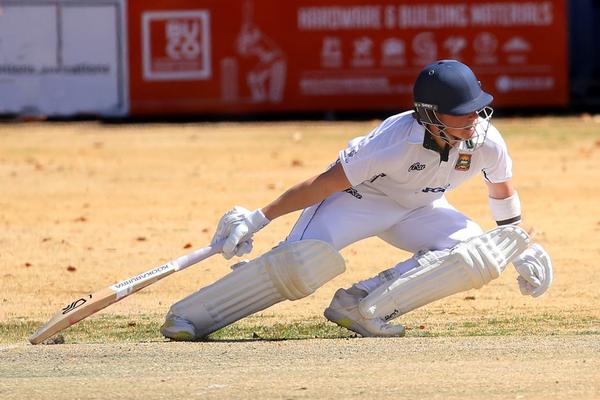
Batting pads should cover the knee, shin, and upper part of the foot without restricting movement. The knee roll needs to sit directly over the kneecap when you are standing in your batting position. Pads that are too large can move while running, while pads that are too small may leave important areas exposed.
Look for secure straps, comfortable internal padding, and a shape that wraps naturally around the leg. Lightweight pads can make running easier, but protection and fit should remain the priorities.
Batting Gloves
Batting gloves protect the fingers, thumb, and back of the hand. They should feel snug without limiting your grip. Loose gloves can twist around the hand, while tight gloves may become uncomfortable during a long innings.
Pay particular attention to thumb protection and finger padding. Split-finger designs often provide greater flexibility, while traditional sausage-finger gloves can offer a solid, straightforward feel. Either style can work well for beginners when the fit is correct.
A Proper Cricket Helmet Is Non-Negotiable
A helmet is one item where saving money should never come at the expense of safety. Anyone facing a hard cricket ball should wear a helmet designed specifically for cricket, even when batting against slower bowlers in practice.
The helmet should sit securely without rocking forwards, backwards, or sideways. Its grille must protect the face while still allowing a clear view of the ball. Check that the helmet meets the relevant current British safety standard and is suitable for the level of cricket you intend to play.
Trying a helmet on in a specialist shop is ideal. When buying online, measure your head accurately and use the manufacturer’s sizing instructions rather than assuming your usual hat size will be correct.
Essential Abdominal and Additional Protection
An abdominal guard, often called a box, is a small but vital part of any cricket kit checklist. It can be worn with compression shorts, specialised cricket underwear, or a traditional jock strap. Choose a secure option that keeps the guard firmly in place while batting and running.
Depending on your position and confidence level, you may also consider a thigh pad, inner thigh guard, arm guard, or chest guard. Beginners do not always need every available protective item immediately, but thigh protection is especially useful when facing quicker bowling.
Wicketkeepers require specialist equipment, including wicketkeeping gloves, inner gloves, and wicketkeeping pads. Standard batting gloves are not designed to replace proper wicketkeeping gloves.
What Cricket Shoes Should Beginners Buy?
Your footwear should match the surfaces on which you will train and play. Rubber-soled cricket shoes are versatile and work well in indoor nets, artificial practice areas, and many dry outfields. Spiked shoes provide more grip on natural grass but may not be allowed in indoor facilities or on artificial pitches.
A beginner who trains on several surfaces may prefer rubber shoes or a model with removable spikes. Comfort is crucial because cricket involves repeated running, sudden changes of direction, and long periods spent standing in the field.
Avoid relying on ordinary fashion trainers. They may not provide enough grip or stability for bowling, batting, and fielding movements.
Do Not Forget a Suitable Cricket Kit Bag
Cricket equipment takes up more space than many first-time players expect. A suitable bag should hold your bat, pads, helmet, gloves, shoes, protection, clothing, water bottle, and personal items without becoming difficult to carry.
Duffle bags are popular because they can be carried like backpacks and fit easily into changing rooms. Wheeled bags are useful for players with larger amounts of equipment or those who dislike carrying a heavy load. Separate compartments for shoes and wet clothing are helpful but not essential for a first kit.
How to Find Cheap Cricket Equipment in the UK
Finding cheap cricket equipment in the UK does not mean buying unsafe or poorly made products. End-of-season sales, previous-year models, retailer bundles, and club discounts can all reduce the cost. Equipment designs are updated regularly, but an older colourway or discontinued range may perform just as well as a newly released version.
Ask your club whether it has a partnership with a local retailer. Some clubs provide discount codes, shared equipment, or second-hand items for new members. A borrowed bat or spare pair of pads can also help you understand your preferred size before spending money.
Second-hand bats and bags can offer good value, but used helmets should be treated cautiously because previous impacts or internal damage may not be obvious. Gloves and pads should also be inspected for broken padding, damaged straps, and excessive wear.
A Simple Cricket Kit Checklist for New Players
Your essential cricket kit checklist should include a correctly sized bat, batting pads, batting gloves, a certified helmet, an abdominal guard, suitable cricket shoes, and a kit bag. Add a thigh pad if you expect to face a hard ball regularly.
You will also need comfortable cricket clothing, socks, a water bottle, a towel, and basic bat-care items. Your club may provide match shirts, trousers, training balls, stumps, and other shared equipment, so ask what is included before placing a large order.
Frequently Asked Questions
How much should a beginner spend on a cricket kit?
The right budget depends on whether you buy a complete bundle or select each item separately. Prioritise a safe helmet, well-fitting protection, and a manageable bat rather than spending heavily on premium branding.
Is a full-size cricket bat suitable for every adult?
No. Although most adults use a short-handle bat, some players may be more comfortable with a smaller or lighter model. Bat weight and pickup are more important than choosing a particular size based only on age.
Can beginners use club equipment?
Many clubs have spare bats, pads, helmets, and gloves available for training. Borrowing equipment is a sensible way to try cricket and learn your correct sizes before purchasing a complete kit.
Is it safe to buy a second-hand cricket helmet?
A new helmet is usually the safer choice. A used helmet may have suffered an impact or developed damage that is difficult to detect. Always prioritise certified, correctly fitted head protection.
Build Your First Cricket Kit Around Fit and Protection
The best cricket kit for beginners should help you feel protected, comfortable, and confident at the crease. Start with the essentials, choose equipment that matches your size and playing level, and avoid paying extra for features you are unlikely to notice as a new player.
A well-balanced beginner cricket bat, correctly fitted cricket pads and gloves, a certified helmet, and suitable footwear will cover the foundations. Once you have played several training sessions and understand your preferences, you can upgrade individual items gradually rather than replacing the entire kit at once.