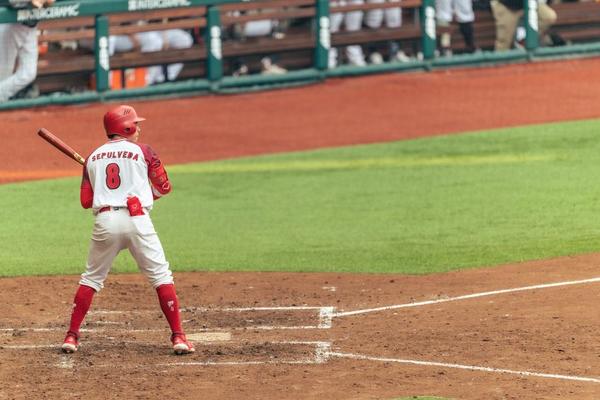
If you are new to baseball, the field can look crowded at first: nine defenders, runners moving between bases, and players shifting before each pitch. The easiest way to follow the game is to learn what each defensive position does. Once you know the basic baseball field positions, you can understand why a shortstop moves toward second, why an outfielder backs up a throw, and why the catcher controls so much of the action. Think of this as baseball positions explained through what players actually do once the ball is in play.
A team uses nine defensive players at a time: pitcher, catcher, first baseman, second baseman, third baseman, shortstop, left fielder, center fielder, and right fielder. In MLB, a designated hitter may bat without playing defence, but that does not add a tenth fielder.
How the Nine Baseball Positions Fit Together
The defence is usually divided into three groups. The pitcher and catcher form the battery, four infielders protect the area around the bases, and three outfielders cover the deeper field. These baseball player roles overlap constantly. One ground ball may involve a fielder, a player covering a base, and another defender backing up the throw.
Scorekeepers also use position numbers: pitcher 1, catcher 2, first base 3, second base 4, third base 5, shortstop 6, left field 7, center field 8, and right field 9. A groundout from shortstop to first is therefore recorded as 6-3.
Pitcher and Catcher: The Battery
Pitcher
The pitcher stands on the mound and begins every play by delivering the ball to the batter. Pitching combines velocity, movement, location, changing speeds, and strategy. Starting pitchers and relief pitchers have different jobs within a game, but both occupy the same defensive position.
Pitchers must also field. They handle bunts and slow ground balls near the mound, cover first when the first baseman moves away from the bag, and back up throws. Those responsibilities become important as soon as the ball is put in play.
Catcher
The catcher works behind home plate and receives pitches that are not hit. Catchers help manage pitch selection, block balls in the dirt, throw at runners attempting to steal, handle plays at home, and communicate with the pitcher and infield.
Imagine a runner on first with one out. If the runner tries to steal second, the catcher must receive the pitch, transfer the ball quickly, and throw while the shortstop or second baseman covers the bag. It is a simple example of how several positions work together within seconds.
The Four Infield Positions
First Baseman
The first baseman plays near first base and receives many throws from other infielders. On most ground balls, the goal is to get the ball to first before the batter-runner arrives. Good first basemen stretch for off-target throws and scoop low balls while keeping contact with the base.
Second Baseman
The second baseman usually plays between first and second base. The role includes fielding ground balls, covering second on certain force plays and steal attempts, and helping turn double plays. Quick footwork is essential because the ball often has to be caught and released immediately.
Third Baseman
The third baseman protects the area near third base, commonly called the hot corner because hard-hit balls can arrive quickly. Strong reactions and arm strength matter, especially because the throw across the diamond to first can be long.
Shortstop
The shortstop plays between second and third and often covers more ground than any other infielder. The position demands range, reliable hands, a strong throw, and fast decisions. Shortstops are central to double plays and frequently take charge on pop-ups.
When watching the infield positions during an MLB game, look at where the shortstop starts before each pitch. The spot may change with the batter, runners, count, and expected contact. That movement is defensive positioning rather than a change of position.
The Three Outfield Positions
Left Fielder
The left fielder covers the outfield on the third-base side. The job includes catching fly balls, cutting off balls in the gap, playing rebounds from the wall, and throwing back toward the infield. Left fielders also provide backup on throws toward third base.
Center Fielder
The center fielder covers the middle of the outfield and usually has the largest area to patrol. Speed, efficient routes, and reading the ball off the bat are crucial. Center fielders often take priority on fly balls between outfielders, so clear communication matters.
Right Fielder
The right fielder covers the first-base side of the outfield. A strong throwing arm is especially useful because throws to third base or home can be long. Right fielders also back up first base when throws come across the diamond.
Where the Designated Hitter Fits
The designated hitter, or DH, is not one of the nine defensive positions. In MLB, the DH bats in place of the pitcher and normally does not take the field. The pitcher remains a defender while another player fills that spot in the batting order.
This is why a batting lineup and a defensive alignment are related but not identical. For readers building a stronger foundation, natural next topics include baseball rules for beginners, how baseball scoring works, and how an MLB game is structured.
How to Read the Field During a Game
Rather than memorising every duty at once, follow one batted ball from start to finish. On a ground ball to shortstop, notice who fields it, who covers second if a runner is moving, who receives the throw at first, and who backs up. On a fly ball to the gap, watch the outfielders communicate while an infielder moves into position for a relay.
A position name tells you where a player generally starts. The play itself shows the full job. That is the key to understanding the different roles without getting lost in diagrams or terminology.
Frequently Asked Questions
How many defensive positions are there in baseball?
There are nine: pitcher, catcher, first baseman, second baseman, third baseman, shortstop, left fielder, center fielder, and right fielder.
What are the four infield positions?
The four traditional infield positions are first base, second base, third base, and shortstop. The pitcher and catcher are located in the infield area too, but they are usually discussed separately as the battery.
Which baseball position is number 6?
Shortstop is number 6 in standard scorekeeping. A 6-3 play means the shortstop fielded the ball and threw to first base for the out.
Is the designated hitter a fielding position?
No. The designated hitter is a batting role. In MLB, the DH normally bats in place of the pitcher and does not occupy one of the nine defensive positions.
Putting the Positions Together
Every position has a usual starting area, but good defence depends on constant cooperation. Infielders cover bases for one another, outfielders back up throws, the catcher directs traffic, and the pitcher becomes another fielder once the ball is hit. When you recognise those relationships, nine separate positions start to look like one coordinated defensive system.