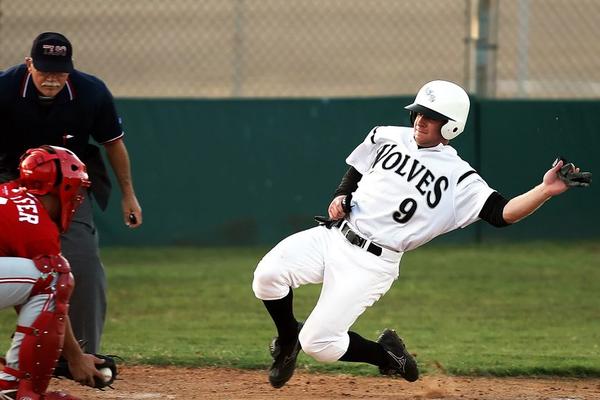
A stolen-base attempt turns a routine pitch into a race: the runner is trying to reach the next base before the defense can receive the ball and apply a tag. The basic idea is simple, but timing, pickoffs, balks, overthrows, and official scoring can make the rules confusing. In Major League Baseball, a runner generally may try to advance whenever the ball is live and no rule specifically restricts or awards the movement.
When can a runner steal a base?
A runner does not have to wait for the pitcher to release the ball. A steal can begin while the pitcher is holding the ball, during the pitching motion, during a pickoff attempt, or even while the catcher is returning the ball to the pitcher. The key is that the ball must be live. If time has been called or the ball is otherwise dead, a runner cannot create a legal steal play.
Most steals occur from first to second, but runners can also steal third and, more rarely, home. The same baseball baserunning rules apply: runners must touch the bases in order and can be tagged out while off a base unless a rule has awarded advancement without liability.
What counts as a stolen base?
Advancing safely does not automatically mean a stolen base is credited. MLB scoring requires the runner to be making an actual steal attempt. If the advance happens because of a defensive error, balk, or another event that independently allows the runner to move up, the play may be scored differently.
A wild pitch or passed ball can also affect the ruling. If the runner was already attempting to steal when the pitch got away, a stolen base may still be credited. If the runner advances only because the ball gets away, it normally is not. That is why stealing bases in baseball is partly about the running play and partly about how the official scorer judges the cause of the advance.
How pickoff rules affect stealing
A pickoff attempt is the defense’s answer to an aggressive lead. Between pitches, the pitcher can throw to a base to try to retire the runner or force a shorter lead. A legal pickoff keeps the ball live, so the runner may dive back, try to advance, or become caught in a rundown.
Under current MLB disengagement rules, a pitcher is limited to two disengagements per plate appearance without penalty. A disengagement includes a pickoff attempt or stepping off the rubber. The count resets if one or more runners advance during that plate appearance.
A pitcher may make a third disengagement, but it must produce an out. If a third pickoff attempt fails to retire a runner, the pitcher is charged with a balk and the affected runner advances. That creates a tactical advantage for fast runners after two disengagements because another unsuccessful throw over carries a penalty.
Caught stealing versus a pickoff
Caught stealing usually means a runner tried to steal and was tagged out before reaching the target base. The classic example is a runner breaking for second, followed by a catcher’s throw and a tag before the runner reaches the bag.
A simple pickoff is different. If a runner is leaning off first, the pitcher throws over, and the runner is tagged while trying to return to first, that is generally a pickoff rather than caught stealing. If the runner reacts by moving toward the next base and is then retired, official scoring can treat the play as caught stealing.
What happens on a balk?
A balk is an illegal pitching action with runners on base. Balk rules prevent pitchers from using certain deceptive or illegal motions. When a balk is called under MLB rules, play is stopped and runners are generally awarded the next base.
The runner does not receive a stolen base simply because the balk moved him forward. An illegal pickoff move can also result in a balk, so the pitcher’s footwork and motion matter as much as whether the throw reaches the fielder.
What happens when a throw gets away?
An overthrow can turn a steal attempt into an extra-base opportunity. If a pickoff throw or catcher’s throw stays in live territory, runners may continue advancing at their own risk. A runner stealing second, for example, may try for third if the throw skips into the outfield.
If the ball goes out of play, the umpire applies the appropriate base-award rule. The exact award depends on the type of throw and how the ball left play, so not every overthrow produces the same result.
When a runner cannot steal
The clearest restriction is a dead ball. Once the ball is dead, no new steal attempt can legally develop until play resumes. A normal uncaught foul ball is a common example: runners cannot use it as an opportunity to advance. A legally caught foul tip is different because the ball remains live, so runners may advance at their own risk.
Interference, obstruction, and an umpire calling time can also stop or alter a running play. Depending on the ruling, runners may be returned to a base or awarded advancement.
A practical game situation
Imagine a runner on first with one out and the pitcher has already disengaged twice during the plate appearance. The runner takes a bigger lead. On the next pitch, he breaks for second. If the catcher throws him out, it is caught stealing. If he beats the tag, it is normally a stolen base. If the pitcher instead makes a third pickoff attempt and fails to record the out, the disengagement violation results in a balk and the runner is awarded second rather than earning a steal.
Good baserunners therefore track more than speed. They watch the pitcher’s move, the catcher’s arm, the disengagement count, and the game situation before deciding whether the risk is worthwhile.
Frequently asked questions
Can a runner steal before the pitcher throws the ball?
Yes. With the ball live, a runner may try to advance while the pitcher still holds the ball. The defense can respond with a pickoff or another play.
Can a runner steal home?
Yes. Stealing home is legal, although it is uncommon because the runner must beat a play over a very short distance.
Can you steal on a walk?
A walk awards the batter first base, but other runners are not automatically entitled to extra bases unless forced. In a live-ball situation, a runner may try to advance farther at the risk of being put out.
Does a runner get a stolen base on a balk?
No. A balk awards advancement under the rules, so the runner does not receive a stolen base merely for moving up on that penalty.
Conclusion
Base stealing is legal when the ball is live and the runner is free to advance at personal risk, but the outcome depends on more than speed. Pickoff limits, balks, dead-ball situations, overthrows, and official scoring all shape the play. Watch when the ball is live, count the pitcher’s disengagements, and separate a true steal attempt from an advance caused by a penalty, error, wild pitch, or other ruling.