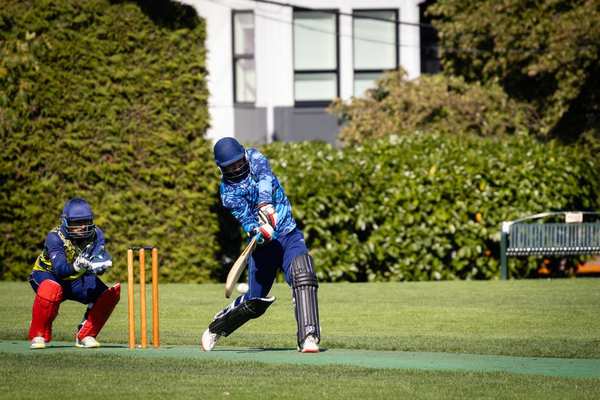
A cricket score such as 146/4 after 18.3 overs might look confusing at first. It simply means the batting team has scored 146 runs, lost four wickets and faced 18 complete overs plus three valid deliveries. Those figures are the foundation of the cricket scoring system.
How to Read a Cricket Score
In the usual UK presentation, 146/4 means 146 runs for four wickets lost. Some broadcasts reverse the order and show wickets first. The team total includes runs made by all batters and any extras; it is not simply the scores of the two batters currently playing.
An innings can finish when ten batters have been dismissed, the allocated overs are exhausted, or the batting side reaches its winning target. Declarations and other circumstances can also end innings in longer matches.
How Are Runs Scored in Cricket?
Running Between the Wickets
Two batters occupy opposite ends of the pitch. When the ball is in play, they can run to exchange ends. One completed exchange scores one run; running back can make two, and further completed exchanges add more. Each batter must make their ground correctly, or an attempted run may be judged short.
An odd number of completed runs, such as one or three, normally changes which batter faces the next ball. After two runs, the original striker normally stays on strike. Batters use this to manage which player faces the bowling.
Fours and Sixes
A shot reaching the boundary after touching the ground within the field generally earns four runs. If a ball struck by the bat clears the boundary without touching the ground inside it, the usual award is six. The batters do not need to run four or six times. Overthrows and other unusual situations have additional rules.
Cricket runs and wickets describe different things. A side might race to 100 by hitting boundaries while losing five players, or build the same total through singles with no dismissals.
Why Wickets Matter
The second figure in a score such as 100/3 counts dismissals. Batters can be out bowled, caught, leg before wicket (LBW), run out or stumped, among other ways. If the score changes from 100/2 to 100/3, a wicket has fallen without another run being added.
Each wicket removes a batting option. That is why 120/1 and 120/8 suggest very different positions, although the runs are identical. With eleven players in a team, ten dismissals usually leave the final batter without a partner.
Overs in Cricket: Six Valid Balls
An over consists of six valid deliveries from one bowler. When it ends, the next over is delivered from the opposite end by a different bowler. Scoreboards use a dot to separate full overs and balls: 18.3 means 18 complete overs plus three valid balls, not a decimal fraction of an over.
A wide or no-ball does not count towards those six valid deliveries. The bowler must send down an additional ball, so an over can involve more than six attempts. This is a key detail in understanding how cricket scoring works.
A standard T20 innings is scheduled for 20 overs, while a full one-day international innings has 50. Test innings do not have those fixed limits. Rain and competition playing conditions may affect the overs available.
Extras: Where Additional Runs Come From
Extras belong to the batting team but are not credited to an individual batter. A cricket scorecard records them separately, usually under wides, no-balls, byes, leg-byes and penalties.
Wides and No-Balls
A wide is a ball judged too far away for the batter to play a normal cricket stroke under the applicable rules. It adds at least one run, and further runs may be scored while the ball remains live. The delivery must be bowled again.
A no-ball is an unfair delivery, often involving the bowler’s foot position. It gives the batting side a one-run penalty in addition to any other runs. If the batter hits a no-ball for four, the team scores five: four to the batter and one no-ball extra. The ball is not counted in the over. Limited-overs playing conditions commonly provide a free hit after a no-ball.
Byes, Leg-Byes and Penalties
Byes are runs taken when a delivery passes the bat and body without being a wide. Leg-byes are possible when the ball hits the batter’s body rather than the bat, provided the relevant requirements are met, such as attempting a shot or avoiding the ball. Special infringements can also result in penalty runs.
Wides and no-balls generally count against the bowler’s figures, whereas byes and leg-byes do not. All contribute to the team’s total.
A Ball-by-Ball Example
Imagine a team starts an over on 80/2 after 10 overs. The next valid ball produces a single, so the score becomes 81/2 after 10.1 overs. The bowler delivers a wide: the score rises to 82/2, but the over still reads 10.1. On the replacement ball, the batter hits four, making it 86/2 after 10.2.
Reading a Scorecard and Run Rate
The batting section shows each player’s runs and balls faced. A batter on 45 from 30 balls has scored 45 personal runs. The bowling section might show figures of 3/28, meaning three wickets taken for 28 runs charged to that bowler. Those figures should not be confused with the team’s wicket count and total.
Run rate measures average runs per over. A team on 84 after 10 completed overs is scoring at 8.4 per over. When chasing, the required run rate shows how fast the team needs to score to reach its target. For a target of 161, 160 is a tie and 161 wins in an ordinary chase, although rain-adjusted targets can change the calculation.
Frequently Asked Questions
What Does 150/5 Mean in Cricket?
The batting team has scored 150 runs and lost five wickets. Overs appear as a separate figure.
Does a Wide Count as One of the Six Balls?
No. It usually adds at least one run, but the bowler must deliver another valid ball to complete the over.
Do Extras Count Towards a Batter’s Score?
No. Extras increase the team total, not the batter’s personal runs. On a no-ball hit for four, the four belongs to the batter and the extra one is recorded separately.
Why Can the Same Batter Face the Next Over?
Bowlers change ends at the end of each over. If the batters completed an odd number of runs on the final ball, that change of ends can leave the same batter facing again.
Putting the Numbers Together
Read a cricket score in three stages: total runs, wickets lost, and valid balls bowled. Then look at the extras and individual scorecard to see where the runs came from. Once those connections make sense, a glance at the scoreboard tells you not only what has happened but how the match is developing.