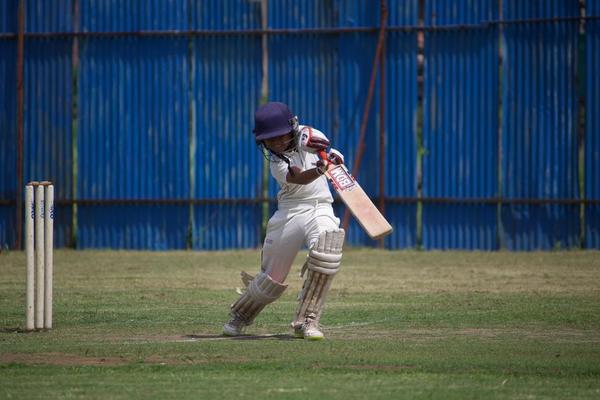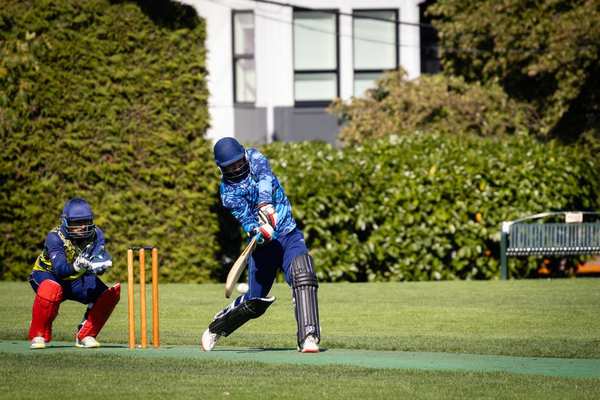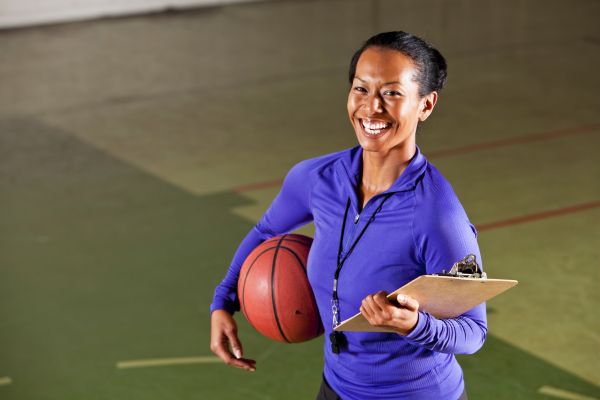
For a long time, the image of a coach in competitive sports was predictable. Standing on the sideline, clipboard in hand, voice raised above the crowd, the coach was usually imagined as a man. That picture was repeated so often that many people barely questioned it. Yet across courts, tracks, pools, fields, gyms, and locker rooms, that image has been changing.
Female coaches in sports are not simply entering spaces where they were once overlooked. They are reshaping how leadership is understood. They are proving that authority does not have one voice, one style, or one gender. Some lead with calm detail. Some bring fire and intensity. Some are former athletes who know exactly how pressure feels. Others are lifelong strategists who read the game like a language.
Their rise is not just a story about representation. It is a story about knowledge, resilience, and the slow but meaningful widening of opportunity.
A History of Being Underestimated
Women have always coached in some form. They have trained children, mentored young athletes, organized community teams, and guided players long before official titles recognized their work. The difference is that much of this labor was invisible. Men were often seen as “coaches,” while women were described as helpers, volunteers, teachers, or supporters.
That distinction mattered. Titles bring respect. They bring pay, resources, authority, and career pathways. Without those things, many talented women were pushed to the edges of sport, even when they clearly had the ability to lead.
The underestimation was not always loud. Sometimes it came through small assumptions. A woman could coach children, but not adults. She could coach girls, but not boys. She could assist, but not lead. She could understand motivation, but not tactics. These quiet limits shaped careers before they even began.
Today, female coaches in sports are challenging those assumptions every time they step into leadership roles.
Coaching Is About More Than Playing Experience
One of the most common misconceptions in sport is that coaching is simply an extension of playing. A great athlete, people assume, naturally becomes a great coach. Sometimes that happens, but not always. Coaching requires a different set of skills: communication, planning, emotional intelligence, tactical awareness, patience, and the ability to bring out the best in different personalities.
This is where many female coaches have shown remarkable strength. Some arrive with professional playing backgrounds. Others build their careers through education, analysis, youth development, or assistant roles. What connects the best of them is not just what they once did as athletes, but how well they teach, observe, adjust, and lead.
A coach must notice the player who needs encouragement and the one who needs a harder challenge. A coach must manage confidence after a loss and focus after a win. A coach must prepare athletes physically, mentally, and emotionally. None of these skills belong to one gender.
When the conversation shifts from appearance to ability, the argument becomes simple: good coaching is good coaching.
The Visibility Problem
Even as more women coach at different levels, visibility remains a challenge. Fans may see female athletes on television, but far fewer women are shown as head coaches, technical directors, performance leaders, or tactical decision-makers. This lack of visibility affects how young people imagine the future.
A girl who loves sport may dream of becoming an athlete, but does she see coaching as a realistic career? A former player may want to stay in the game, but does she know there is a pathway beyond retirement? A young boy may respect women athletes, but has he seen a woman lead a team from the sideline?
Visibility creates possibility. When female coaches are seen making decisions, handling pressure, building teams, and winning respect, the old picture of leadership begins to loosen. It becomes easier for the next generation to imagine something different.
That matters deeply, because sport is shaped not only by who plays, but by who teaches.
Leading With a Different Kind of Authority
There is no single “female coaching style,” and it would be unfair to pretend there is. Some female coaches are intense and demanding. Some are quiet and analytical. Some are emotional leaders. Others are sharp tacticians who focus on structure and detail. Like male coaches, they vary widely.
Still, many women in coaching have had to think carefully about authority because they are often judged differently. A male coach who raises his voice may be called passionate. A female coach doing the same may be called difficult. A man who is strict may be respected for discipline. A woman who is strict may be questioned more quickly.
This double standard can force female coaches to navigate a narrow path. They must be strong, but not “too strong.” Warm, but not soft. Confident, but not arrogant. It is an exhausting balance.
And yet, many have turned that challenge into strength. They learn to communicate clearly. They build trust. They know when to push and when to listen. They understand that authority is not only about volume. It is about consistency, preparation, fairness, and the ability to make athletes believe in the plan.
Why Female Coaches Matter for Young Athletes
The presence of female coaches in sports can have a powerful effect on young athletes, especially girls. Seeing a woman in charge sends a quiet but important message: leadership belongs here too. It tells young players that their sports knowledge has value, not only their physical performance.
For girls, this can be life-changing. A female coach may understand certain experiences more directly, from confidence issues to body image pressures to the way girls are sometimes taught to shrink themselves socially. That does not mean only women can coach girls well, but representation can create a sense of safety and recognition.
For boys, being coached by women is also valuable. It helps break down outdated ideas about authority and expertise. It teaches respect. It shows that leadership should be judged by competence, not stereotypes.
In that sense, female coaches do more than run practices. They help shape healthier sporting cultures.
The Barriers That Still Remain
Progress is real, but the road is not smooth. Women still face barriers in hiring, promotion, pay, media attention, and access to elite coaching networks. Sometimes the issue is not talent, but opportunity. A woman may need a stronger résumé than a male candidate just to be considered equally.
Networking also plays a major role. Many coaching jobs are filled through relationships built over years inside sporting systems. If those systems have historically been male-dominated, women may find themselves outside the informal circles where opportunities are discussed.
Family expectations can add another layer. Coaching often involves travel, long hours, weekend work, and unpredictable schedules. Women are still more likely to face questions about whether they can balance these demands with caregiving responsibilities. Men, of course, have families too, but they are not always questioned in the same way.
These barriers do not disappear because a few women break through. Real change requires better pathways, fair hiring, mentorship, and a willingness to challenge old habits.
Former Athletes Finding a Second Voice
One of the most exciting developments in recent years has been the movement of former female athletes into coaching. After years of competing, many carry a deep understanding of pressure, preparation, injury, recovery, and team dynamics. They know what it feels like to be doubted, praised, selected, dropped, and expected to perform anyway.
That lived experience can be incredibly useful.
Former athletes often bring credibility into the locker room because they have been there. They understand the emotional details that do not always appear in statistics. They know when nerves are hiding behind attitude. They know how a body feels after travel, how confidence can shift after one mistake, and how important trust becomes in high-pressure moments.
But former players also need support as they transition. Coaching is not automatic. It is a craft. When sporting organizations invest in education and mentorship for retired female athletes, they are not just offering jobs. They are keeping valuable knowledge inside the game.
Changing the Culture From the Inside
The rise of female coaches in sports is not only about individual success stories. It is about changing the culture of sport from within. A more diverse coaching environment can lead to better conversations, broader perspectives, and healthier decision-making.
Teams benefit when leadership is not built from one narrow mold. Athletes have different personalities, backgrounds, learning styles, and emotional needs. A coaching staff with varied experiences is often better equipped to understand them.
This does not mean hiring women as symbols. It means hiring qualified women and giving them real authority, resources, and time. Token roles help no one. Genuine opportunity does.
When female coaches are allowed to lead fully, make mistakes, grow, and build long careers, sport becomes stronger.
Conclusion: A Wider Sideline
Female coaches in sports are breaking new ground, but they are also revealing something that should have been obvious all along: leadership has never belonged to one gender. The ability to guide athletes, read competition, build trust, and make brave decisions comes from knowledge and character, not from old assumptions.
The sideline is becoming wider now. Not perfectly, not everywhere, and not quickly enough, but it is changing. More women are stepping into roles that once seemed closed. More athletes are learning under their guidance. More young people are seeing coaching as a place where women can belong, lead, and succeed.
That shift matters. Because when sport makes room for more voices, it does not lose tradition. It gains depth. It gains intelligence. It gains a fuller understanding of what leadership can look like.
And in the end, the game is better for it.