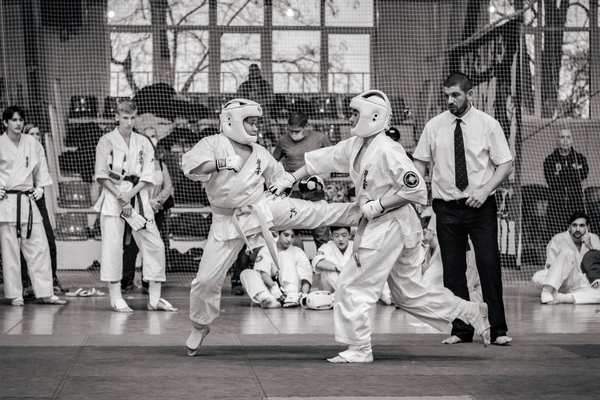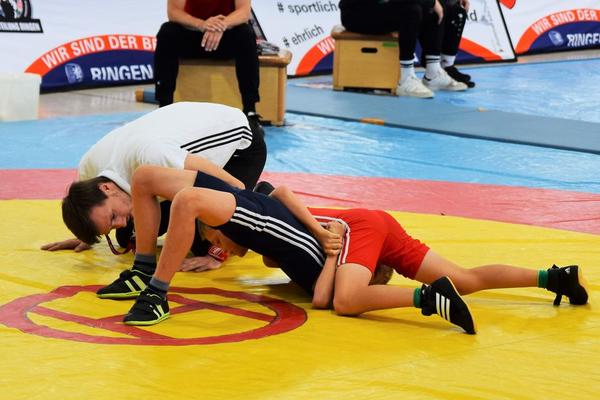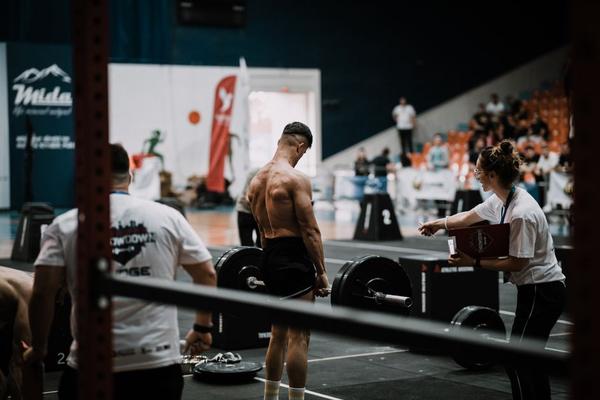
Women’s sports have never been shaped by a single experience. Athletes arrive with different bodies, cultures, identities, abilities, incomes, family responsibilities, and access to opportunity. Some grow up with excellent coaching and modern facilities. Others discover sport later, through a school club, a community center, or a friend who encourages them to join.
That variety should be a strength. Yet many women and girls still encounter barriers long before they reach a field, court, track, pool, or training room. The conversation around inclusivity in women’s sports is therefore about much more than welcoming language. It is about whether people can participate safely, compete fairly, receive support, and feel that they genuinely belong.
Real inclusion requires attention to the parts of sport that are often treated as fixed: uniforms, facilities, coaching methods, funding, schedules, selection systems, media coverage, and even assumptions about what an athlete is supposed to look like.
Inclusion Begins With Access
The first barrier is often the simplest one: getting through the door.
Participation fees, equipment costs, travel expenses, and private coaching can make sport inaccessible to families with limited income. A talented young player may leave a program not because she lacks motivation, but because transport is unreliable or the season has become too expensive.
Geography matters too. Girls living in rural or underserved areas may have fewer teams, longer travel times, and less access to specialist facilities. In some communities, there may be no suitable program for their age group at all.
Creating broader access means examining the entire cost of participation rather than focusing only on registration. Equipment-sharing programs, local training sessions, flexible payment arrangements, and community transport can make a major difference.
Inclusion becomes meaningful when opportunity is not reserved for athletes who already have the most resources.
Girls Need to See Sport as a Place for Them
Many girls begin forming ideas about sport at an early age. They notice who receives attention, which teams are shown on television, whose achievements are celebrated at school, and whether women are visible as coaches, officials, and leaders.
Representation does not guarantee participation, but its absence can quietly discourage it. When girls repeatedly see men presented as the default athletes and women treated as an occasional feature, they may begin to view sport as a space they are merely visiting.
Visible female athletes can challenge that assumption. So can local role models. A girl does not always need to see a world champion to imagine a future in sport. She may be equally influenced by a female coach, referee, trainer, or older player in her community.
Representation should also include different ages, races, body types, disabilities, religions, and social backgrounds. There is no single image of an athletic woman, and sports culture becomes stronger when it stops pretending otherwise.
Facilities Should Respect Women’s Needs
Access to a field or gym does not automatically mean the environment is suitable.
Women’s teams are sometimes given less desirable practice times, lower-quality changing rooms, or limited access to equipment. These differences may seem small when viewed individually, but together they send a clear message about whose participation is considered important.
Facilities should also account for privacy, safety, menstrual needs, pregnancy, and breastfeeding. Clean changing areas, suitable toilets, secure lighting, and access to sanitary products can affect whether women feel comfortable attending regularly.
For some athletes, religious or cultural needs may influence clothing, privacy, and training arrangements. A thoughtful program does not treat these needs as inconvenient exceptions. It works with participants to find practical solutions.
Inclusive facilities are not necessarily luxurious. They are simply designed with the real lives of athletes in mind.
Uniforms Can Affect Participation and Confidence
Sports uniforms are often discussed as though they are purely functional, yet they can shape confidence, comfort, and even willingness to participate.
Some women and girls feel uncomfortable in tight, short, or revealing uniforms. Others need clothing that allows greater coverage for religious, cultural, medical, or personal reasons. Athletes should not have to choose between participating and feeling exposed.
Uniform policies should allow reasonable flexibility while preserving safety and team identity. Options may include longer shorts, leggings, sleeves, supportive garments, or sports hijabs.
Design should also consider different body shapes. A uniform created around a narrow idea of the female body may fit some athletes well and leave others feeling distracted or self-conscious.
When clothing allows athletes to move freely and focus on performance, it is doing its job. When it becomes a source of anxiety, embarrassment, or exclusion, the policy deserves another look.
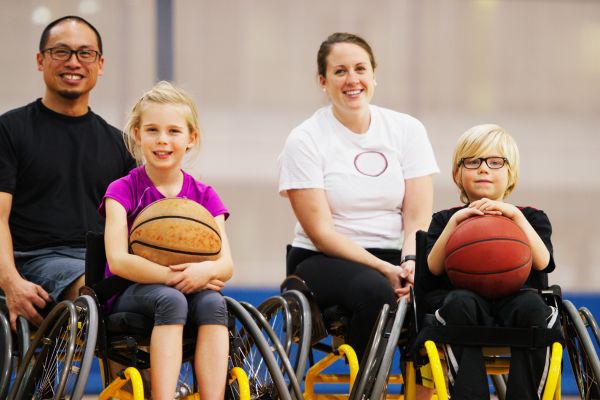
Disability Inclusion Requires More Than Good Intentions
Women and girls with disabilities often face several barriers at once. They may struggle to find adapted facilities, trained coaches, accessible transport, or teams that match their level of competition.
Even when programs describe themselves as open to everyone, they may not be practically accessible. A building may have steps, equipment may be unsuitable, or coaches may lack the confidence to adapt drills.
Disability inclusion begins with listening to athletes rather than making assumptions about what they can or cannot do. Some may participate in mainstream sessions with minor adjustments. Others may prefer disability-specific programs or classifications that support meaningful competition.
Communication is equally important. Athletes should receive information in formats they can use, and staff should understand individual support needs without treating the person as fragile or incapable.
The aim is not to create identical experiences. It is to provide fair opportunities for participation, development, and achievement.
Race and Culture Shape Sporting Experiences
Women from racial and ethnic minority communities may experience sport differently from their teammates. Stereotypes, unequal treatment, limited representation, and cultural misunderstandings can influence selection, coaching relationships, and a sense of belonging.
Bias is not always obvious. It may appear in assumptions about attitude, discipline, physical ability, family support, or leadership potential. Athletes may feel pressure to represent an entire community rather than simply being allowed to perform as individuals.
Inclusive coaching involves learning how culture affects communication, family expectations, hair care, food, clothing, and religious practice. This does not mean reducing athletes to their backgrounds. It means avoiding the assumption that everyone experiences sport in the same way.
Representation within leadership matters here too. Diverse coaches, administrators, medical professionals, and officials can bring different perspectives into decision-making and help organizations recognize problems they might otherwise overlook.
LGBTQ+ Athletes Need Safety and Respect
Women’s sports include athletes with different sexual orientations and gender identities. A genuinely inclusive environment should protect everyone from harassment, humiliation, and exclusion.
Language plays an important role. Casual jokes, stereotypes, and invasive questions can make an athlete feel unsafe even when no formal discrimination occurs. Coaches and teammates set the tone through the behavior they tolerate.
Privacy should also be respected. No athlete should feel pressured to disclose personal information before she is ready. Team policies should focus on dignity, appropriate conduct, and clear procedures for addressing bullying.
Questions around eligibility and competition can be complex, especially when organizations are trying to balance inclusion, safety, and fairness. These discussions should be handled carefully, using evidence, transparent rules, and respect for the people affected. Reducing athletes to political arguments rarely leads to a healthier sporting environment.
Whatever the policy context, every participant deserves to be treated as a human being rather than a controversy.
Coaching Culture Determines Who Stays
Athletes may join because they love a sport, but coaching culture often determines whether they remain.
Inclusive coaches understand that motivation does not look the same in every person. Some athletes respond well to direct feedback, while others need more explanation or reassurance. Some speak confidently in groups; others take longer to feel comfortable.
A strong coach avoids humiliating players, commenting carelessly on bodies, or treating pain as proof of commitment. Women and girls may already face pressure about appearance, weight, and femininity. Sports environments should not intensify those pressures.
Coaches should also understand how puberty, menstruation, injury, pregnancy, and menopause can affect training. These subjects should be discussed professionally, without embarrassment or ridicule.
When athletes trust their coaches, they are more likely to report injuries, ask questions, and continue participating through difficult periods.
Leadership Must Reflect the Athletes
Women’s sports cannot become fully inclusive if decision-making remains concentrated among people with similar backgrounds and experiences.
Athletes need a meaningful voice in discussions about schedules, uniforms, safety, facilities, medical support, and competition structures. Consultation should happen before decisions are finalized, not after problems appear.
More women are also needed in coaching, officiating, administration, sports medicine, and governance. This includes women from groups that have historically been underrepresented.
Diverse leadership does not automatically solve every problem, but it broadens the questions being asked. A decision that seems practical from an office may feel very different to the athlete expected to live with it.
Inclusion becomes more credible when the people affected are present in the room and have genuine influence.
Media Coverage Shapes Public Value
Media attention affects how women’s sports are understood. Coverage can build audiences, attract investment, and give young athletes visible role models. Yet quantity alone is not enough.
Women athletes are still sometimes discussed more for their appearance, relationships, emotions, or clothing than for their skill and tactical intelligence. Inclusive coverage treats them as serious competitors while still allowing space for personality and individual stories.
It should also extend beyond a small group of famous athletes. Para-athletes, older competitors, athletes from minority communities, and participants in less-publicized sports deserve thoughtful attention.
The stories told about women’s sports influence who feels invited into them. Broader, more respectful coverage can challenge the idea that only certain women belong at the highest levels.
Inclusion Is a Continuing Practice
Inclusivity in women’s sports is not achieved through a single campaign, policy statement, or symbolic event. It is built through everyday decisions about who gets access, who feels safe, who is heard, and whose needs are treated as legitimate.
Progress may require changing traditions that once seemed harmless. It may involve asking uncomfortable questions about funding, bias, facilities, eligibility, leadership, and representation. That work can be difficult, but avoiding it allows old barriers to remain in place.
The goal is not to erase differences between athletes. It is to create sporting environments where those differences do not automatically become disadvantages.
Women’s sports are at their strongest when more people can enter, develop, compete, lead, and remain involved over time. Inclusion is not separate from sporting excellence. It expands the talent, experience, and imagination from which excellence can grow.