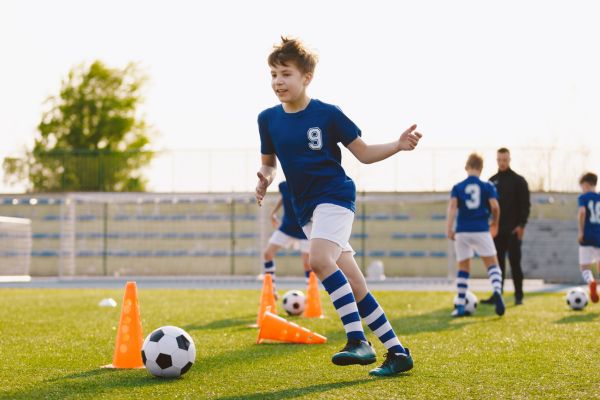
Youth sports can be one of the most rewarding parts of childhood. They teach teamwork, discipline, resilience, and confidence. They also give kids a place to belong, burn energy, and discover what their bodies can do. But alongside the benefits comes a responsibility that often weighs heavily on parents: keeping young athletes safe.
Conversations about safety are sometimes reduced to helmets and knee pads, but real protection goes far beyond equipment. Youth sports safety tips are about understanding a child’s limits, creating the right environment, and recognizing that long-term health matters more than short-term wins. When safety is treated as part of the culture rather than an afterthought, kids thrive both on and off the field.
Understanding the Real Risks in Youth Sports
Injuries in youth sports are more common than many parents expect. Sprains, strains, and fractures top the list, but overuse injuries are quietly becoming one of the biggest concerns. Children’s bodies are still growing, which means bones, muscles, and tendons are more vulnerable to stress than adult bodies.
There is also the risk that doesn’t show up on an X-ray. Pressure to perform, fear of letting teammates down, or anxiety about competition can take a toll on mental health. True youth sports safety tips consider emotional well-being just as seriously as physical protection.
When parents understand these risks, they are better equipped to advocate for their children, even when that means making uncomfortable decisions like pulling them out of a game or saying no to an extra practice.
Why Proper Preparation Matters More Than Talent
Many injuries happen before a child even steps onto the field. Lack of proper preparation is a common issue, especially in younger leagues where warm-ups may be rushed or inconsistent. Kids often want to jump straight into play, and adults may assume that youth naturally bounce back from anything.
In reality, preparation is one of the most effective youth sports safety tips available. Warming up increases blood flow to muscles and improves flexibility, while cool-downs help reduce soreness and stiffness. Conditioning that matches the sport’s demands helps protect growing joints and reduces fatigue-related injuries.
Preparation also includes learning correct techniques early. Poor running form, unsafe tackling habits, or improper throwing mechanics can lead to injuries that build slowly over time. Early instruction focused on fundamentals is an investment in a child’s long-term health.
The Role of Equipment in Keeping Kids Safe
Protective gear plays a vital role in youth sports safety, but it only works when it fits properly and is used consistently. Equipment that is too large or too small can be just as dangerous as having none at all. Helmets that slide, shoes without proper support, or pads worn incorrectly increase the risk of injury.
Parents should regularly check equipment for wear and tear, especially in fast-growing children who may outgrow gear mid-season. It’s also important to help kids understand why equipment matters. When children see safety gear as a tool rather than a punishment, they are more likely to use it correctly without resistance.
Another overlooked aspect is sport-specific gear. Using generic equipment across different sports can leave certain areas unprotected. Understanding the unique demands of each sport helps parents make better decisions about what their child truly needs.
Listening to the Body and Respecting Limits
One of the most important youth sports safety tips is teaching children to listen to their bodies. Many kids are reluctant to speak up about pain because they don’t want to disappoint a coach or lose their spot on the team. This silence can turn minor discomfort into serious injury.
Parents play a key role here by creating open communication. Asking simple, specific questions about how a child feels after practice or games can reveal early warning signs. Pain that persists, swelling that doesn’t go down, or changes in movement should never be ignored.
Rest is not a sign of weakness. Growing bodies need recovery time, and rest days are just as important as training days. Encouraging balance helps children develop a healthier relationship with sports, one that values sustainability over constant pushing.
Hydration, Nutrition, and Energy Balance
Fueling the body properly is often underestimated in discussions about safety. Dehydration and poor nutrition can lead to fatigue, dizziness, slower reaction times, and increased injury risk. These issues are especially dangerous during hot weather or intense training periods.
Children may not recognize thirst until they are already dehydrated, so regular water breaks are essential. Balanced meals that include carbohydrates for energy, protein for muscle repair, and healthy fats for overall development support both performance and safety.
Youth sports safety tips should always include guidance on proper fueling. When kids feel strong and energized, they are more focused, coordinated, and resilient during play.
Creating a Safe Sports Environment
Safety isn’t only about the child; it’s about the environment they’re playing in. Field conditions, weather, and supervision all matter. Uneven surfaces, poor lighting, or damaged equipment can turn routine play into a hazard.
Parents should feel empowered to speak up if conditions seem unsafe. Whether it’s extreme heat, inadequate supervision, or unclear emergency procedures, addressing concerns early can prevent accidents later.
A safe environment also includes emotional safety. Coaches who prioritize respect, learning, and encouragement create spaces where kids feel comfortable expressing concerns. This kind of culture makes it easier for children to report pain or discomfort without fear.
Balancing Competition and Long-Term Health
Competition can be motivating, but when winning becomes the sole focus, safety often suffers. Young athletes may be pushed to specialize too early, play through injuries, or train year-round without breaks. These patterns increase the risk of burnout and chronic injury.
One of the most valuable youth sports safety tips is remembering that childhood sports are a marathon, not a sprint. Exposure to multiple sports helps develop diverse skills and reduces repetitive stress. Taking seasonal breaks allows the body and mind to reset.
Parents set the tone by emphasizing effort, growth, and enjoyment rather than results alone. When kids know that their value isn’t tied to performance, they are more likely to make healthy choices.
The Importance of Education and Awareness
Staying informed is one of the strongest tools parents have. Understanding basic first aid, recognizing signs of concussion, and knowing when to seek medical advice can make a critical difference. Education doesn’t mean becoming an expert, but it does mean being prepared.
Conversations about safety should evolve as children grow. What matters at age six looks different at age sixteen. Continually updating your approach ensures that safety keeps pace with a child’s development and the increasing demands of their sport.
A Thoughtful Approach to Youth Sports Safety
Youth sports should be a source of joy, confidence, and lifelong lessons. When safety is treated as a foundation rather than a restriction, children are free to explore their potential without unnecessary risk. The best youth sports safety tips are not about limiting participation, but about supporting it in a way that honors growing bodies and developing minds.
By paying attention, asking questions, and prioritizing well-being over pressure, parents help create an experience where sports remain a positive part of childhood. In the end, the goal isn’t just to raise strong athletes, but healthy, confident individuals who carry these lessons far beyond the field.