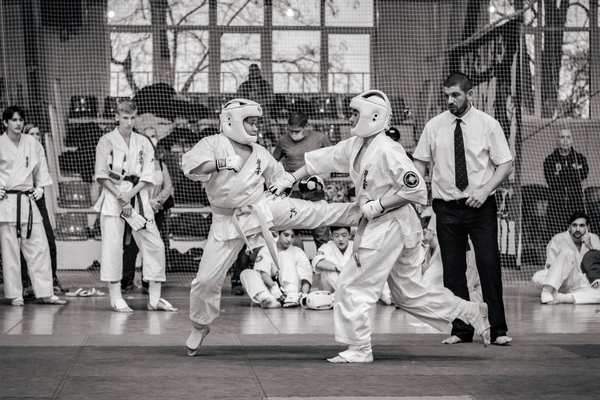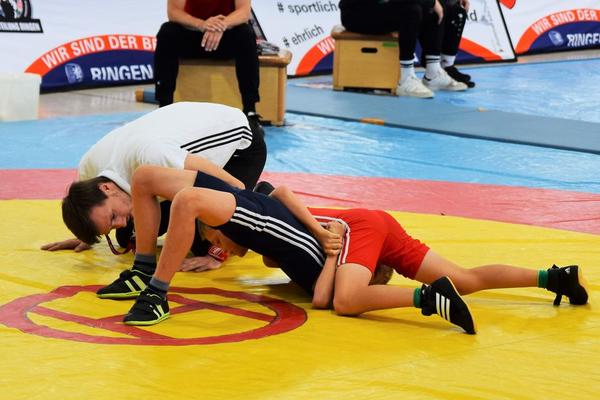
Athletic performance is often discussed in physical terms. Strength, speed, endurance, agility, recovery — these qualities dominate most conversations around sports training. Yet anyone who has competed seriously understands that physical preparation alone does not guarantee performance under pressure.
Two athletes can enter competition equally prepared physically, yet one remains calm while the other falls apart mentally. One recovers quickly after mistakes while the other spirals emotionally. One handles pressure naturally while another overthinks every movement once the game begins.
That difference is where mental skills training becomes important.
For years, psychological preparation in sports was misunderstood. Some athletes associated mental training with weakness or assumed it only mattered after performance problems appeared. Today, that perception is changing rapidly. Coaches, trainers, and athletes increasingly recognize that confidence, focus, emotional control, and resilience directly influence athletic consistency.
The mind and body are never truly separated during competition. They constantly affect one another, often more than athletes realize in the moment.
What Mental Skills Training Actually Means
Mental skills training refers to structured techniques designed to improve psychological performance during sports and competition. It focuses on helping athletes manage pressure, maintain concentration, regulate emotions, build confidence, and recover mentally from setbacks.
Importantly, this is not simply “thinking positively.”
Effective mental preparation involves practice, repetition, and awareness just like physical training does. Athletes learn routines and strategies that help stabilize performance under stress instead of relying entirely on motivation or emotion.
Some techniques focus on breathing and relaxation. Others involve visualization, self-talk, attention control, emotional regulation, or goal-setting practices.
What makes mental skills training valuable is that sports environments are inherently unpredictable. Athletes constantly face mistakes, momentum shifts, criticism, fatigue, and pressure. Mental preparation helps them respond more consistently when those moments arrive.
Confidence Is More Fragile Than It Appears
From the outside, confident athletes often look naturally fearless. In reality, confidence tends to fluctuate constantly, even among elite performers.
One strong game can create momentum. One mistake can suddenly create doubt.
Young athletes especially experience this emotional swing because their identities often become closely tied to performance outcomes. A missed shot, poor race, or coaching criticism can feel deeply personal during adolescence and early competitive development.
Mental skills training helps athletes separate temporary results from long-term self-worth.
That distinction matters enormously.
Confident athletes are not necessarily people who never feel nervous. More often, they are individuals who learned how to function despite nervousness. They understand that anxiety and uncertainty are normal parts of competition rather than signs of failure.
This mindset changes how athletes respond under pressure.
Focus Becomes Harder Under Pressure
Concentration sounds simple until competition begins.
During games or events, athletes deal with distractions constantly. Crowd noise, mistakes, opponents, fatigue, coaching instructions, expectations, and internal thoughts all compete for attention simultaneously. Under pressure, the brain often starts racing ahead toward outcomes instead of staying present in the moment.
This is why athletes sometimes perform worse when they care more.
Overthinking interrupts natural movement patterns. Timing becomes tense. Reactions slow down. Simple actions suddenly feel complicated because attention shifts away from instinctive execution.
Mental skills training helps athletes narrow focus back toward controllable details.
Some athletes use breathing routines between plays. Others repeat short phrases or visual cues to stay grounded. These habits may look small from the outside, but they often create major performance differences internally.
The athletes who appear calm under pressure are usually practicing focus deliberately, not magically avoiding stress.
Visualization Strengthens Performance Preparation
Visualization has become one of the most widely used tools in modern sports psychology.
Athletes mentally rehearse performances before they happen, imagining movements, reactions, timing, and successful execution in vivid detail. This process helps strengthen neural familiarity with specific actions and competitive situations.
What’s interesting is that the brain often responds to detailed visualization similarly to physical practice itself.
A basketball player may mentally rehearse free throws before stepping to the line. A runner imagines pacing and finishing strategy. A gymnast mentally walks through routines repeatedly before competition begins.
Visualization also helps reduce uncertainty.
When athletes mentally prepare for difficult scenarios ahead of time, they tend to respond more calmly when those moments actually occur. Competition still feels stressful, but less unfamiliar.
The goal is not fantasy or blind optimism. It’s preparation.
Emotional Control Matters More Than Raw Motivation
Sports naturally create emotional extremes.
Athletes experience excitement, frustration, anger, fear, embarrassment, and adrenaline constantly throughout competition. Emotional energy itself is not bad. In fact, emotion often fuels intensity and motivation. Problems arise when emotions begin controlling decision-making.
An athlete who becomes overwhelmed after one mistake may lose focus entirely. Another may play too aggressively out of frustration. Some athletes tighten physically when nervous, which changes movement quality immediately.
Mental skills training teaches emotional awareness rather than emotional suppression.
The strongest competitors usually recognize emotional shifts quickly and recover faster from them. They understand that frustration, nerves, or disappointment do not need to dictate the next moment.
This ability to reset mentally becomes one of the defining traits of consistent athletes.
Resilience Is Built Through Repetition
Athletic careers always include setbacks.
Injuries happen. Confidence drops. Playing time changes. Competitions go badly. Training plateaus appear unexpectedly. No athlete avoids difficult periods entirely, regardless of talent level.
Resilience therefore becomes one of the most important psychological skills in sports.
Mental resilience does not mean pretending everything feels fine. It means continuing to move forward despite discomfort, disappointment, or uncertainty. Athletes who develop resilience learn how to process setbacks without letting them completely define personal identity.
This takes time.
Many athletes initially respond emotionally to failure because sports feel deeply personal. Over time, mental skills training helps create perspective. Performance becomes something athletes experience rather than something that entirely determines who they are.
That separation often creates healthier long-term performance.
Team Sports and Individual Sports Create Different Mental Challenges
Mental pressure looks different depending on the sport itself.
Individual athletes often carry full responsibility for outcomes publicly. Tennis players, runners, swimmers, wrestlers, and golfers cannot easily distribute blame or pressure across teammates during competition.
Team athletes face different emotional dynamics.
They must manage communication, chemistry, leadership, role acceptance, and external expectations while still performing individually. Mistakes may impact entire groups, which creates additional stress during high-pressure moments.
Mental skills training adapts accordingly.
Some athletes need help calming internal pressure. Others need support becoming more assertive or emotionally expressive. Effective mental training recognizes that personalities, environments, and competitive demands differ significantly across sports.
There is no universal psychological formula for every athlete.
Young Athletes Face Increasing Mental Pressure
Modern youth sports environments have become far more intense than previous generations experienced.
Social media constantly highlights rankings, statistics, scholarship opportunities, and public comparisons. Teen athletes now perform under visible scrutiny far earlier than before. Parents, coaches, and peers sometimes unintentionally add pressure even when trying to be supportive.
As a result, many young athletes struggle with anxiety, perfectionism, or fear of failure.
Mental skills training helps create healthier coping strategies early.
Teaching teenagers how to manage pressure, recover emotionally from mistakes, and maintain perspective can protect both performance and overall wellbeing. These lessons extend far beyond sports too. Emotional regulation, focus, resilience, and confidence remain valuable throughout adulthood.
In many ways, athletics become a training ground for life itself.
Recovery Includes Mental Recovery Too
Athletes often understand physical fatigue more easily than mental fatigue.
Burnout usually develops gradually. Motivation decreases. Practices feel emotionally draining. Focus disappears more quickly. Pressure feels heavier than before. Sometimes athletes continue training physically while mentally exhausted without fully recognizing it.
Mental recovery therefore matters alongside physical recovery.
Time away from competition, proper sleep, healthy relationships, hobbies outside sports, and emotional balance all support long-term athletic health. Athletes who maintain broader identities outside competition often handle setbacks more sustainably because their entire self-worth does not depend solely on performance.
This balance becomes increasingly important at higher competitive levels.
Mental Training Is Becoming More Accepted
For a long time, athletes avoided discussing mental performance openly because they worried it might appear weak or unstable.
That culture is changing.
Professional athletes now speak more publicly about anxiety, confidence struggles, burnout, and emotional pressure. Sports psychology has become far more integrated into elite training environments, and younger athletes increasingly understand that mental preparation is simply another part of performance development.
The stigma around mental training continues fading slowly.
And honestly, that shift was overdue.
Conclusion
Mental skills training helps athletes navigate the psychological demands that naturally come with competition, pressure, success, and failure. While physical preparation remains essential, the ability to manage emotions, maintain focus, recover from setbacks, and perform consistently under stress often separates athletes who struggle from those who thrive long term.
The strongest competitors are rarely people who never feel nervous or uncertain. More often, they are individuals who learned how to respond constructively when those feelings appear. Confidence, resilience, and composure are usually built gradually through practice and self-awareness rather than inherited naturally.
In the end, sports challenge far more than the body alone. They test patience, emotional control, discipline, and perspective. Mental skills training simply gives athletes better tools to handle those challenges with greater balance, clarity, and consistency over time.