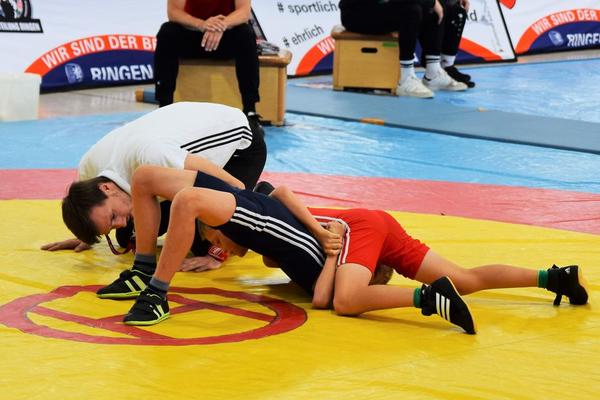
Wrestling has always carried a close relationship with weight. Unlike many sports where athletes are grouped mainly by age or skill level, wrestling also divides competitors by weight class. On paper, that system is meant to create fairness. In real life, it can create pressure. A young wrestler may feel tempted to drop into a lower class for a perceived advantage, while older athletes may chase a number on the scale even when their body is already working hard through intense training.
That is why cutting weight for wrestling needs to be discussed carefully. Done poorly, it can hurt performance, increase injury risk, affect mood, and put real strain on the body. Done thoughtfully, with guidance and enough time, managing weight can be part of a broader plan that supports strength, endurance, and health. The difference comes down to patience, education, and respect for the body.
Wrestling demands toughness, but toughness should never mean ignoring basic health. A wrestler who is underfed, dehydrated, dizzy, and exhausted is not better prepared. They are simply depleted.
Understanding What Weight Cutting Really Means
Weight cutting usually refers to reducing body weight before competition in order to qualify for a certain weight class. In wrestling, this can involve changes in food intake, hydration, training load, and daily habits. The problem is that the phrase often gets misunderstood. Some athletes think cutting weight means dropping pounds quickly at any cost. That mindset is where trouble begins.
Healthy weight management is not the same as extreme last-minute weight loss. A careful approach focuses on gradual body composition changes, steady nutrition, and enough fuel for training. An unsafe approach often involves dehydration, skipping meals, excessive sweating, or using methods that leave the athlete weak before they ever step onto the mat.
The goal should not be to become the smallest possible version of yourself. The goal should be to compete at a weight where you can train well, recover well, think clearly, and perform with power.
Why Extreme Weight Cutting Can Backfire
Many wrestlers believe being lighter will automatically give them an advantage. Sometimes, competing in the right weight class can help. But forcing the body too far below its natural, healthy range can have the opposite effect.
Dehydration can reduce strength, speed, reaction time, and concentration. Low energy intake can make practices feel harder, slow recovery, and increase the chance of getting sick. A wrestler may make weight but feel flat, shaky, or mentally foggy during the match. That is not a winning trade.
There is also the emotional side. Constantly worrying about food and the scale can create stress around eating. It can turn meals into math and make athletes feel guilty for normal hunger. Over time, this pressure can damage a wrestler’s relationship with food and body image, especially among teenagers who are still growing.
Cutting weight for wrestling should never be treated as proof of discipline if it is quietly harming the athlete.
Starting With the Right Weight Class
A healthier approach begins before the season gets intense. Coaches, parents, athletic trainers, and athletes should think honestly about what weight class makes sense. This decision should not be based only on where the lineup has an opening or where an opponent seems beatable.
A wrestler’s natural body size, growth stage, strength, training history, and energy levels all matter. Younger athletes, in particular, should not be pushed into aggressive weight loss. Their bodies need enough food for growth, school, sleep, hormones, bones, and muscle development. A weight class that requires constant restriction is usually not the right class.
A good sign is whether the wrestler can maintain the weight with normal, balanced eating and regular training. If making weight requires repeated dehydration, skipped meals, or fear of eating, the target is probably too low.
Gradual Changes Work Better Than Last-Minute Panic
Healthy weight management is usually gradual. The body responds better when changes happen slowly over weeks, not suddenly in the final days before weigh-in. Small adjustments to meal quality, portion habits, snack timing, and recovery routines can support a more stable weight without draining the athlete.
This may mean eating more whole foods, reducing mindless snacking, choosing balanced meals, and paying attention to late-night eating patterns. It may also mean improving sleep, because poor sleep can affect hunger, recovery, and training quality. None of this is dramatic. That is the point.
Last-minute panic cutting often leads to dehydration and exhaustion. Gradual planning allows a wrestler to stay strong in practice, keep energy steady, and avoid the physical shock of rapid weight change.
Wrestling already asks enough from the body. The weight plan should not become another opponent.
Fueling Training While Managing Weight
One of the biggest mistakes wrestlers make is eating too little during hard training. It may seem logical: eat less, weigh less. But wrestling practices are demanding. They require explosive movement, grip strength, endurance, balance, and sharp decision-making. Without enough fuel, performance drops.
Carbohydrates are especially important because they provide energy for high-intensity work. Rice, oats, potatoes, fruit, whole grain bread, pasta, and beans can all fit into a wrestler’s diet. Protein supports muscle repair and helps the body recover after practices. Eggs, chicken, fish, lean meat, yogurt, milk, lentils, beans, tofu, and nuts can all be useful. Healthy fats from foods like olive oil, avocado, seeds, and nut butters also support overall health.
The key is not cutting out entire food groups. The key is building meals that are balanced and timed well. A wrestler who eats properly can train harder, recover faster, and maintain muscle while managing weight more safely.
Hydration Should Not Be Sacrificed
Water weight is tempting because it can shift quickly. That is exactly why it is risky. Dehydration may change the number on the scale, but it does not make an athlete stronger or better conditioned. It only reduces the body’s ability to function.
Hydration supports temperature control, blood flow, muscle contraction, digestion, and mental focus. On the mat, even a small drop in focus or reaction time can matter. A wrestler who is dehydrated may cramp sooner, tire faster, or struggle to think clearly under pressure.
A healthier approach keeps water intake steady throughout the week instead of swinging between restriction and overdrinking. Athletes should learn to treat hydration as part of performance, not as something to manipulate carelessly.
The Role of Recovery and Sleep
Weight management is not only about food and training. Recovery plays a bigger role than many athletes realize. When wrestlers sleep poorly, train too hard without rest, or live under constant stress, their bodies can feel inflamed, tired, and difficult to manage.
Sleep helps regulate appetite, repair muscle, support hormones, and sharpen mental focus. A wrestler who sleeps well is more likely to make smart food choices and handle training demands. On the other hand, a tired athlete may crave quick energy, feel hungrier, and recover more slowly from practice.
Rest days and lighter sessions also matter. More sweating does not always mean better preparation. Sometimes the most disciplined thing an athlete can do is recover properly.
Avoiding Dangerous Cutting Methods
Certain weight-cutting practices should be avoided because they place unnecessary stress on the body. These include severe fluid restriction, prolonged sauna use, plastic suits, intentional vomiting, laxatives, diet pills, and skipping meals for long periods. These methods can be especially dangerous for young athletes.
They may produce short-term weight loss, but much of that loss comes from water and depletion rather than meaningful body composition change. The athlete may technically make weight, yet step into competition weaker, slower, and more vulnerable.
If a wrestler feels dizzy, confused, faint, unusually weak, or unable to cool down, that is not normal toughness. That is a warning sign. Health should come first immediately.
Coaches and Parents Shape the Culture
The way adults talk about weight can leave a lasting impression. Coaches and parents have a responsibility to create a culture where performance and health matter more than scale obsession. A wrestler should never feel that their worth depends on a number.
Instead of praising extreme cuts, adults can praise consistency, effort, smart recovery, good nutrition, and honest communication. If an athlete is struggling to make weight, that should start a conversation, not a punishment. Sometimes the answer is moving up a class. Sometimes it is adjusting training or meal timing. Sometimes it is simply admitting that the original goal was not realistic.
Young wrestlers learn from what the adults around them normalize. A healthy team culture can protect athletes from dangerous habits that are too often passed down as tradition.
Building a Smarter Relationship With the Scale
The scale can provide information, but it should not control the athlete’s mindset. Body weight naturally changes from day to day based on hydration, food, digestion, sweat, and recovery. A small increase does not mean failure. A small decrease does not always mean progress.
Wrestlers benefit from understanding these normal changes. When the scale is treated as one tool among many, it becomes less intimidating. Energy levels, practice quality, strength, mood, sleep, and recovery are also important signs.
A wrestler who feels powerful, alert, and well-conditioned is often in a better place than one who is lighter but drained.
Conclusion
Cutting weight for wrestling should never be about suffering for the scale. The healthiest approach is gradual, realistic, and built around performance as much as body weight. Wrestlers need enough food to train, enough water to function, enough sleep to recover, and enough honesty to recognize when a weight class is not right for them.
There is nothing weak about choosing a smarter path. In fact, it often takes more discipline to fuel the body properly than to chase quick, risky shortcuts. Wrestling rewards strength, skill, endurance, and mental toughness. A healthy weight plan should support all of those things, not take them away before the match even begins.