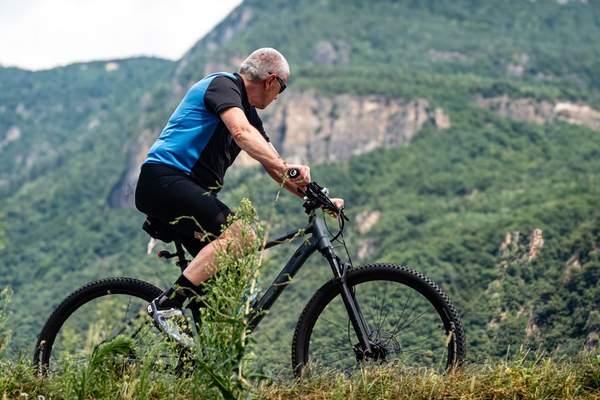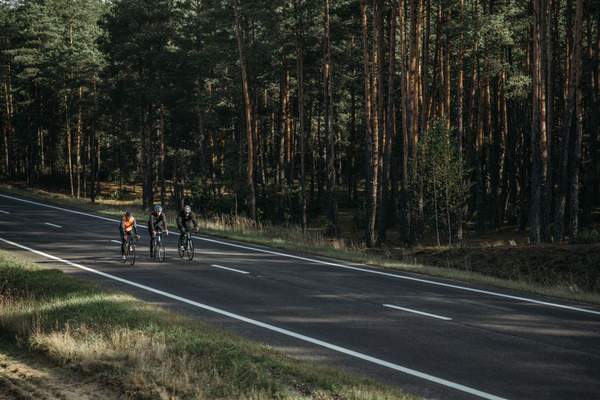
Gravel cycling in the UK is less about endless stretches of loose stone and more about joining the surfaces already around you. A ride might begin on tarmac, turn onto a farm track, cross a stony bridleway and finish on a quiet lane. That variety is the appeal: more freedom than a road-only ride, without needing the technical trails associated with mountain biking.
British gravel rarely stays consistent for long. Rain changes firm dirt into slippery clay, grass hides ruts, and a smooth track can end at a gate. Learning to adapt matters more than buying every accessory.
Understand the ground beneath your wheels
A gravel bike usually offers wider tyre clearance, stable handling and lower gearing than a conventional road bike. It is designed to cover imperfect roads and easier tracks efficiently, rather than tackle steep mountain-bike trails.
UK gravel cycling involves compacted earth, broken road edges, chalk, crushed stone, wet leaves and occasional deep gravel. Each surface asks for different decisions. A bike labelled gravel-ready does not mean every path is safe to ride, particularly after heavy rain.
Choose a setup that builds confidence
Get the tyres right first
For many beginner routes, tyres around 38–45 mm wide provide a practical balance, assuming your frame and wheels have sufficient clearance. Smoother central tread rolls easily on tarmac and hardpack, while more pronounced side knobs may help in loose corners. Muddy winter tracks might demand a different tread entirely.
Pressure depends on tyre size, rider and luggage weight, rims, casing and whether you use tubes or tubeless tyres. Stay within manufacturer limits and adjust gradually. Too much pressure causes bouncing on stones; too little can produce rim strikes, unstable handling or pinch punctures with tubes. Check that mud will not clog narrow frame clearances.
Prioritise braking, fit and easy gears
Make sure both brakes work reliably and you can reach the levers comfortably. Your saddle and handlebar positions should feel natural, especially when moving between the hoods and drops. Easy climbing gears let you pedal smoothly when soft ground makes a gentle hill surprisingly demanding.
There is no need for expensive upgrades at the outset. If buying a bike, compare tyre clearance and gearing before worrying about component prestige; a guide to choosing your first gravel bike can help.
Practise the handling skills that matter
Relax your grip and look ahead
One of the most useful gravel riding tips is to keep your elbows loose and avoid gripping the bars too tightly. Let the bicycle move slightly beneath you. On rough ground, lift some weight from the saddle and keep the pedals level so bumps are less jarring.
Look towards the smoother line several metres ahead, not directly at the stone beneath your front wheel. On loose corners, slow down while travelling straight, then turn gently. Hard braking during a bend can use up the tyre’s limited grip.
Respect ruts, roots and descents
Choose firmer ground instead of automatically following deep wheel tracks. A narrow rut can guide your front tyre somewhere you did not intend; cross shallow ruts at a suitable angle where safe. Wet roots, wooden bridges and polished stones can be unexpectedly slippery.
On descents, ride slowly enough to stop for someone beyond a blind corner. If a section seems too steep, muddy or exposed, walk it. Dismounting is sensible judgement, not failure.
Plan a route around access, not just scenery
Mixed surface cycling depends on knowing where bicycles are permitted. In England and Wales, cyclists generally have rights on public bridleways, restricted byways and byways open to all traffic, alongside appropriate cycle routes. Public footpaths do not automatically carry cycling rights. On bridleways, cyclists must give way to walkers and horse riders.
Scotland has broader responsible access rights under the Scottish Outdoor Access Code, including many paths and tracks, but exceptions apply. Northern Ireland has different access arrangements, so check local permissions before relying on a mapped path.
Legal access and rideability are separate questions. A bridleway might be steep, overgrown or deeply rutted after rain. Check its designation, likely surface and connecting roads before leaving. Learning to read cycling route maps helps you avoid arriving at a footpath where your planned loop should continue.
Try a manageable first loop
Imagine a 20 km outing with 12 km of quiet lanes, 5 km of compacted tracks and 3 km of gentle bridleway. These are example distances, not a prescribed route. Choose daylight, modest climbs and an easy road shortcut home.
On the first track, select a comfortable gear and feel how the bike reacts as stones become looser. Ease off before a blind bend, stop at gates to check navigation, and treat unfamiliar puddles cautiously. This teaches more than chasing an ambitious distance.
Your average speed will probably be lower than on roads. Gates, uneven surfaces and shared paths interrupt momentum. Judge progress by comfort and control rather than a speed target.
Prepare for changeable UK conditions
Take a helmet, water, appropriate food, weather-ready clothing, a charged phone and lights when conditions require them. Carry a pump, suitable puncture supplies and a multitool, and practise using them at home. Tell someone your route if riding remotely.
Rain changes both grip and trail impact. Clay can pack around tyres, puddles can conceal holes, and repeated riding on saturated ground can damage vulnerable paths. Shorten or reroute the ride when necessary. A guide to cycling in wet weather can help with clothing and visibility.
Slow down early near walkers, dogs and horses. Announce yourself politely, give people plenty of room, close gates as found and avoid skidding. Responsible riding keeps shared routes welcoming.
Frequently asked questions
Can I use a road bike for gravel cycling?
Sometimes, on smooth and dry tracks with suitable tyres and adequate clearance. Avoid rough terrain beyond the bike’s capabilities, and check manufacturer guidance before fitting wider tyres.
What tyre width is best for UK gravel?
There is no universal answer. Around 38–45 mm is a useful starting range for many mixed routes; rocky or muddy conditions may favour wider tyres if the frame permits them.
Are bridleways suitable for beginners?
Some are excellent, while others are steep, muddy or rutted. Cycling rights do not guarantee an easy surface. Check conditions and identify road alternatives.
Do I need to be fast to enjoy gravel?
No. Confidence, steady pacing and thoughtful route selection matter far more than speed, especially when surfaces keep changing.
Build your range one ride at a time
The strongest gravel bike basics are simple: use suitable tyres, maintain the bike, look ahead and respect other path users. Begin with familiar lanes and a manageable off-road section, then gradually add new surfaces as your skills improve. Gravel cycling becomes enjoyable when you feel free to explore without feeling pressured to ride beyond your limits.