Archery has a quiet kind of appeal. It does not rush you. It asks for patience, posture, breathing, focus, and a little humility. The first few shots may feel awkward, and the arrows may not land anywhere near the center of the target. But then, slowly, something starts to click. Your stance feels steadier. Your fingers settle into place. You begin to understand why people describe archery as both a sport and a discipline.
For beginners, though, the gear can feel confusing at first. Bows come in different shapes. Arrows have measurements that sound more technical than expected. There are tabs, guards, quivers, rests, sights, targets, and all sorts of small accessories that seem important, but not always easy to understand. The good news is that starting archery does not require a huge collection of equipment. It simply requires the right basics, chosen with comfort, safety, and learning in mind.
This guide to the top archery gear for beginners is designed to make that first step easier. It focuses on useful equipment, not flashy extras, so new archers can build confidence without feeling overwhelmed.
Choosing the Right Beginner Bow
The bow is the heart of archery, so it naturally gets the most attention. For beginners, the best bow is not always the most powerful or advanced. In fact, starting with too much draw weight can make learning harder and even uncomfortable. A beginner bow should feel manageable, smooth, and forgiving.
Recurve bows are often a popular starting point because they are simple, traditional, and widely used in training. A takedown recurve bow is especially practical because the limbs can be removed from the riser, making it easier to store, transport, and upgrade later. As the archer improves, stronger limbs can often be added without replacing the entire bow.
Compound bows are another option, especially for those interested in hunting-style archery or target shooting with mechanical assistance. They use cams and cables to reduce holding weight at full draw. However, they are more technical and usually need careful setup. For a complete beginner, a recurve bow often teaches the fundamentals more clearly.
The main thing is comfort. A bow should match the archer’s size, strength, and goals. If it feels like a struggle from the first draw, it is probably too heavy.
Arrows That Match the Bow
Arrows may look simple, but they need to match the bow and the archer. The length, spine, weight, and material all affect how an arrow flies. For beginners, this is where guidance from a coach, archery shop, or experienced archer can save a lot of frustration.
The “spine” of an arrow refers to how much it flexes during the shot. If the arrow is too stiff or too flexible for the bow, accuracy can suffer. Arrow length matters too. Arrows that are too short can be unsafe, while arrows that are too long may feel awkward or fly less efficiently.
Aluminum arrows are durable and often suitable for beginners. Carbon arrows are lightweight and popular as well, though damaged carbon arrows need careful inspection because cracks can be dangerous. Wooden arrows are more traditional but usually require more attention to consistency and maintenance.
For someone just starting, the best arrows are safe, correctly sized, and forgiving enough for regular practice.
Arm Guards for Comfort and Safety
An arm guard may not look dramatic, but many beginners quickly learn why it matters. When the bowstring snaps forward after release, it can brush or strike the inside of the forearm. The result can be a sharp sting, a red mark, or an impressive bruise that makes the next round less enjoyable.
An arm guard protects the forearm and also helps keep loose clothing away from the string. This is especially useful for new archers who are still developing consistent form. Even with good technique, an arm guard adds a layer of confidence.
The best beginner arm guard is lightweight, comfortable, and easy to adjust. It should stay in place without feeling tight or distracting. Once it is on, the archer should be able to focus on stance, aim, and release rather than worrying about string slap.
Finger Tabs and Gloves
Drawing a bow repeatedly can be hard on the fingers. A finger tab or shooting glove protects the fingertips and helps create a smoother release. This small piece of gear can make practice feel much more comfortable.
A finger tab is common in target archery. It usually sits between the string and the fingers, creating a clean surface for release. Some tabs include a spacer between the fingers, which helps with proper arrow positioning. A shooting glove, on the other hand, covers the fingers more like traditional hand protection and may feel more natural to some beginners.
There is no single perfect choice for everyone. Some archers prefer the crisp feel of a tab, while others like the simplicity of a glove. What matters most is consistency. Once a beginner chooses one, it helps to practice with the same type regularly.
A Quiver Keeps Arrows Organized
A quiver may seem like a convenience item, but it makes practice smoother. Instead of laying arrows on the ground or carrying them awkwardly, a quiver keeps them within easy reach. It also helps prevent arrows from being stepped on, bent, or misplaced.
Hip quivers are common for target practice because they are easy to access. Back quivers have a more traditional look, though they may take time to get used to. Ground quivers are another simple option, especially for backyard or range practice.
For beginners, a basic hip or ground quiver usually works well. The goal is not style; it is organization and safety. Arrows should be stored point-down or secured in a way that prevents accidents.
Targets Made for Practice
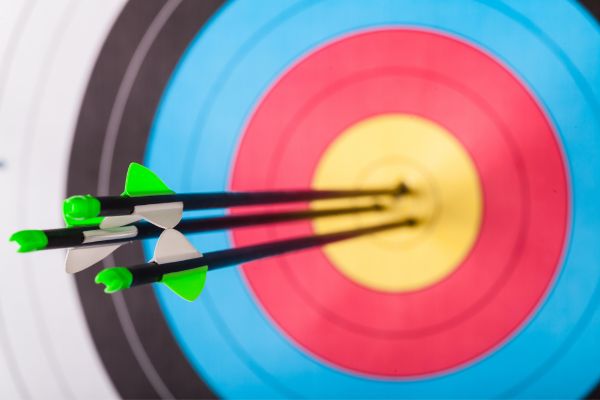
A safe, reliable target is essential. Beginners need something that can stop arrows properly without damaging them too quickly. Foam block targets, layered targets, and bag targets are common choices. The right one depends on the type of bow and arrow being used.
A beginner should never shoot at random objects, trees, fences, or homemade surfaces that are not designed for archery. Arrows can bounce, break, or pass through unsafe materials. A proper target reduces risk and makes practice more productive.
Target size also matters. New archers may benefit from a larger target face at first. It builds confidence and reduces the chance of missed shots. As accuracy improves, smaller target faces or greater distances can be introduced gradually.
Bow Stringer for Recurve Bows
For anyone using a recurve bow, a bow stringer is one of the most important accessories. It helps string and unstring the bow safely. Without one, beginners may twist the limbs, damage the bow, or put themselves at risk.
A bow stringer is simple, affordable, and easy to learn with a little instruction. It keeps pressure balanced while the string is being placed on the bow. This protects both the equipment and the archer.
Many beginners overlook this tool because it does not seem exciting. However, it is one of those small pieces of gear that shows respect for the bow and the sport. Good habits start before the first arrow is even shot.
A Simple Sight for Learning Aim
Not every beginner needs a sight immediately. Some archers start instinctively, learning to shoot by feel and repetition. Others prefer using a sight from the beginning because it gives them a clearer aiming reference.
A basic bow sight can help beginners understand alignment and consistency. It does not magically create accuracy, but it can make progress easier to track. If the arrows group together but land off-center, the sight can be adjusted. If the arrows scatter everywhere, the issue is probably form rather than aim.
The best beginner sight should be simple and easy to adjust. Overly complex accessories can distract from the fundamentals. At the start, form matters more than fine-tuning equipment.
Arrow Rest and Nocking Points
An arrow rest supports the arrow as it sits on the bow. Some beginner bows use a simple plastic stick-on rest, while others may have more adjustable setups. The rest helps the arrow leave the bow more consistently.
A nocking point marks where the arrow should clip onto the string. This small detail makes a big difference. Without a consistent nocking point, arrows may sit higher or lower from shot to shot, making accuracy harder to develop.
These pieces are small, but they help create repeatability. And archery, more than many sports, rewards repeatability. The same stance, the same anchor point, the same release, and the same arrow position all work together.
Comfortable Clothing and Closed-Toe Shoes
Archery clothing does not need to be specialized, but it should be practical. Loose sleeves, dangling jewelry, scarves, or drawstrings can interfere with the bowstring. A fitted shirt or close-sleeved top is usually better for practice.
Closed-toe shoes are important, especially at ranges where arrows may fall or equipment is being carried. Stable footwear also helps with balance. Archery may look calm, but stance matters. If the feet feel unstable, the shot often does too.
Long hair should be tied back, and anything that might catch the string should be removed or secured. These small details make shooting safer and more comfortable.
A Range Bag for Carrying Gear
As beginners collect equipment, a range bag becomes useful. It keeps arm guards, tabs, gloves, stringers, wax, tools, and spare parts in one place. It also reduces the chance of arriving at practice and realizing something important was left at home.
A beginner does not need a large or expensive bag. A simple, organized bag with enough space for essentials is enough. The best setup is one that makes practice easier, not one that adds clutter.
Keeping gear organized also helps beginners develop a more serious routine. When everything has a place, the sport feels less confusing and more inviting.
Safety Gear and Range Awareness
The most important gear in archery is not always something you wear or carry. It is awareness. Beginners should learn range rules before shooting. That means knowing when it is safe to nock an arrow, when to retrieve arrows, and how to point the bow only in a safe direction.
A finger tab, arm guard, and proper target matter, but safe habits matter even more. Never dry fire a bow, which means releasing the string without an arrow. This can damage the bow and may cause injury. Never shoot if people, pets, or objects are behind or near the target area. Always check arrows for damage before shooting.
Good archery begins with respect for the equipment and the space around you.
Conclusion
Starting archery can feel a little mysterious at first, but the basics are easier to understand once you focus on purpose. A beginner needs a bow that feels manageable, arrows that match the setup, protective gear for the arm and fingers, a safe target, and a few simple accessories that support good habits.
The top archery gear for beginners is not about owning everything at once. It is about choosing equipment that helps you learn safely and enjoy the process. Archery rewards patience. It teaches small improvements, quiet focus, and steady repetition. With the right gear and a careful approach, every practice session becomes a chance to understand the sport a little better and yourself a little more.