The Vuelta a España is cycling’s late-season Grand Tour, bringing three weeks of racing to Spanish roads and, occasionally, neighbouring countries. It shares the basic format of the Giro d’Italia and Tour de France, but its steep climbs, unpredictable terrain and position on the calendar give it a character of its own. If you have ever wondered why one rider celebrates a stage win while another keeps the leader’s jersey, this guide explains what you are watching.
How Does the Vuelta a España Work?
The Spanish Grand Tour normally has 21 stages spread across roughly three weeks, with two rest days. Riders compete as members of professional teams, but the biggest individual prize is the general classification, often shortened to GC. The rider with the lowest accumulated time after every stage wins the overall race.
Each stage has its own winner, and those results do not automatically decide the GC. A sprinter might win several flat stages but lose substantial time in the mountains. A consistent climber can take the red jersey without winning many stages, or even any at all.
The route changes each year, so the precise balance of sprint days, mountains and time trials changes too. Some editions begin outside Spain, but the race retains its identity as the country’s premier multi-stage road event.
The Different Types of Vuelta Stages
Flat and sprint stages
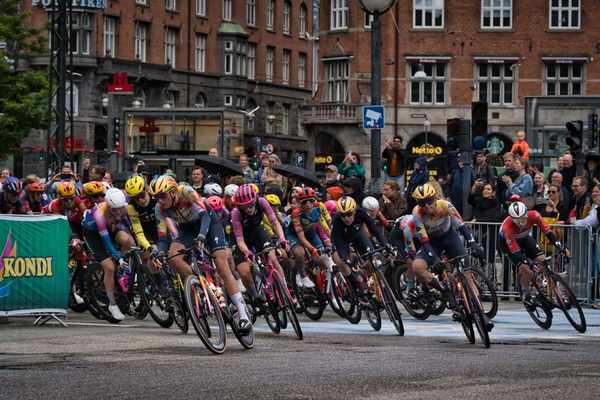
Flatter days often end with the main peloton racing towards a mass sprint. Specialist sprinters rely on teammates to position them near the front, protect them from wind and deliver a fast lead-out. A breakaway can still succeed, especially when the chasing teams miscalculate.
Hilly and medium-mountain stages
Rolling terrain opens the race to punchy attackers, breakaway specialists and GC riders seeking small gains. Short, sharp climbs near the finish can be more decisive than their distance suggests, particularly when the road repeatedly changes gradient.
High-mountain stages
Long ascents and punishing summit finishes are where overall contenders often gain or lose minutes. The Vuelta is particularly associated with steep uphill roads that reward climbing strength and careful pacing. Descents, weather and accumulated fatigue also matter.
Individual and team time trials
In an individual time trial, competitors start separately and race against the clock. Aerodynamics and pacing become crucial, and a strong time triallist can recover time lost on climbs. Some editions also include a team time trial, where riders cooperate against the clock and the team’s result is determined under that edition’s rules.
What Do the Vuelta Jerseys Mean?
The four distinctive Vuelta jerseys identify leaders of different competitions. They are not interchangeable: a rider can excel in one classification while sitting far down another.
Red jersey: overall race leader
The red jersey, or maillot rojo, belongs to the rider leading the GC on cumulative time. Time differences on stages, applicable time bonuses and penalties affect this ranking. It is the most coveted jersey because the final wearer is the race’s overall champion.
Green jersey: points classification
The green jersey rewards points gathered from stage finishes and intermediate sprints. Flat stages can provide particularly valuable opportunities, although the scoring scale depends on the regulations for that edition. Sprinters often target green, but versatile riders can compete for it too.
Blue polka-dot jersey: mountains classification
The distinctive white jersey with blue dots is awarded to the mountains classification leader. Riders collect points at designated climbs, with different amounts available according to the climbs’ categories and other race rules. A daring breakaway rider may secure this jersey without threatening the overall lead.
White jersey: best young rider
The white jersey recognises the highest-placed eligible young rider in the general classification. It is based on overall time, not a separate points system. The exact birth-date cutoff is set in the regulations for each edition.
If a rider leads more than one jersey classification, the race’s priority rules determine which jersey that rider wears and who wears the other jersey on their behalf. That substitute does not become the actual classification leader.
Why Team Roles Matter So Much
Grand Tours are individual contests supported by collective work. A GC leader depends on domestiques to bring food and drinks, control attacks, shelter them from wind and set a demanding tempo before key climbs. Climbing specialists may stay alongside the leader deep into a summit finish, while powerful riders manage flatter sections.
A team also may target sprint victories, breakaways or the mountains jersey rather than the overall title. These goals can change after crashes, illness or unexpectedly strong performances. Team classification is separate again: it uses the three best individual times from each team on each stage, added across the race.
Reading a Vuelta Stage Result Correctly
Imagine two rivals begin a mountain stage separated by 35 seconds. Rider A, wearing red, finishes 50 seconds behind Rider B. Ignoring bonuses and penalties for simplicity, Rider B moves into the overall lead by 15 seconds. Rider B might not win that stage, because a breakaway rider could have crossed the line much earlier.
This explains a common television puzzle: the stage winner, red-jersey wearer and mountains-jersey leader may be three different people. To follow the race accurately, check both the day’s finishing order and the updated GC times. Bonus seconds, where awarded, can change the calculation.
How the Vuelta Compares With the Other Grand Tours
The Giro typically comes first in the Grand Tour season, followed by the Tour de France in summer and the Vuelta later in the year. All three use cumulative time to decide the overall winner, but their leader colours differ: pink at the Giro, yellow at the Tour and red at the Vuelta.
The late-season slot creates an interesting mix of riders. Some arrive fresh after targeting the Vuelta specifically; others try to recover from the Tour or rescue a difficult season. The route can also encourage explosive racing on steep summit finishes. For more context, compare Tour de France jerseys explained, Giro d’Italia race format, and how Grand Tour cycling works.
Frequently Asked Questions
How many stages are in the Vuelta a España?
A standard edition has 21 stages over approximately three weeks, generally with two rest days. The mix and distances of stages vary from year to year.
Does winning the most stages win the Vuelta?
No. The overall winner is the rider with the lowest total time after the final stage, accounting for relevant bonuses and penalties. Stage victories are separate achievements.
What is the difference between the red and green jerseys?
Red identifies the overall time leader. Green identifies the points leader, with points earned at finishes and designated intermediate sprints.
Can a rider win the Vuelta without winning a stage?
Yes. Consistently finishing ahead of GC rivals across the entire race can produce the lowest accumulated time even without a single stage victory.
The Bigger Picture
Understanding the Vuelta becomes much easier once you separate stage results from the four jersey competitions. Watch the GC gaps on mountain days, the points battle in sprints and the teammates working around their leaders. Those overlapping contests are what make the Spanish Grand Tour compelling from the opening stage to the final finish.